By: Matthew Pak
If you hear people wishing others a happy new year late into February, odds are they are celebrating a different new year than you think. Lunar New Year (LNY), often referred to as Chinese New Year (CNY), is a holiday celebrated across the world, especially throughout East and Southeast Asia. With nearly two billion people participating, it is one of the most widely celebrated holidays globally.
Unlike January 1st, which follows the Gregorian calendar, Lunar New Year is based on the lunar calendar. The holiday begins on the first new moon after the winter solstice, meaning the date changes each year on the Gregorian calendar, usually falling between January 21 and February 20. The celebration lasts fifteen days and concludes with the Lantern Festival, marked by glowing lanterns, riddles, and traditional performances. In countries like China, the holiday is so significant that it is accompanied by an official two-week government break, allowing millions to travel home for family reunions in what is often called the largest annual human migration in the world.
The origins of Lunar New Year stretch back thousands of years. One of the most famous legends tells the story of a mythical beast named Nian. According to folklore, Nian would emerge at the start of each new year to terrorize villages. Over time, villagers discovered that the beast feared loud noises, bright lights, and the color red. To protect themselves, they set off firecrackers, lit lanterns, and hung red banners around their homes. These once-protective rituals evolved into joyful traditions, and today red symbolizes luck, prosperity, and happiness throughout the celebration.
Lunar New Year revolves around the Chinese zodiac, a twelve-year cycle in which each year is represented by an animal: Rat, Ox, Tiger, Rabbit, Dragon, Snake, Horse, Goat, Monkey, Rooster, Dog, and Pig. According to legend, the Jade Emperor invited the animals to participate in a great race across a river. The first twelve to cross would each have a year named in their honor.
The clever Rat won by riding on the Ox’s back and leaping ahead at the finish line. The Tiger swam through the currents, while the Rabbit hopped across on floating logs. The Dragon, despite being able to fly, paused to help a burning village, earning fifth place. The Horse, known for its speed, galloped toward the finish but was startled when the Snake, hidden in its hoof, slithered ahead at the last moment. As a result, the Snake took sixth place and the Horse seventh. The Goat, Monkey, and Rooster worked together as a team crossing the river on a raft, finishing eighth, ninth, and tenth respectively. The Dog was a strong swimmer, but decided to play in the river, causing him to come in eleventh place. Finally, the Pig, who had stopped to eat and nap, finally awoke and finished twelfth.
Beyond the fireworks, Lunar New Year is filled with fascinating traditions rich in symbolism. Families paste red couplets with poetic blessings on their doors to invite good fortune. On New Year’s Eve, many stay up late in a practice called “shou sui,” symbolizing longevity for their parents. Families also exchange red envelopes that can contain lucky money for adults, and candy for the children to foster prosperity in the coming year. Certain words are avoided because they sound like “death” or “loss,” while others are emphasized because they sound like “wealth” or “prosperity,” reflecting the importance of language in Chinese culture. Some families place oranges and tangerines in their homes because their pronunciation resembles the word for luck. Even food is symbolic. Dumplings resemble ancient gold ingots, fish represent surplus and abundance, and sticky rice cakes symbolize rising higher in the coming year. Each custom reflects a deep cultural belief that shapes the fortune of the year ahead.
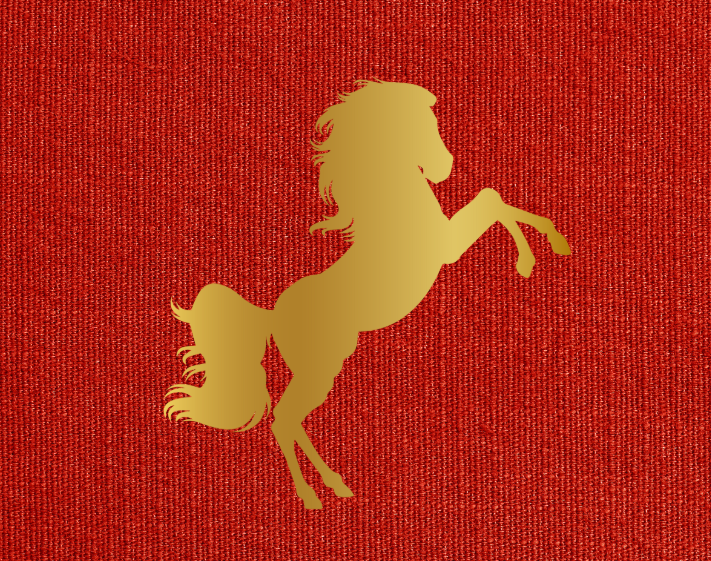
2026 brings the year of the Horse. The Horse represents energy, freedom, ambition, and resilience. Those born in the Year of the Horse are often described as hardworking, confident, independent, and spirited. They are seen as natural leaders who value movement and progress. A Year of the Horse is traditionally associated with momentum, times of action, bold decisions, and pursuing goals.This year, if you feel motivated to achieve your goals, the year of the Horse is the perfect time to channel that energy into action.
Graphic by Philip Berkwit