By: Hailey Flores
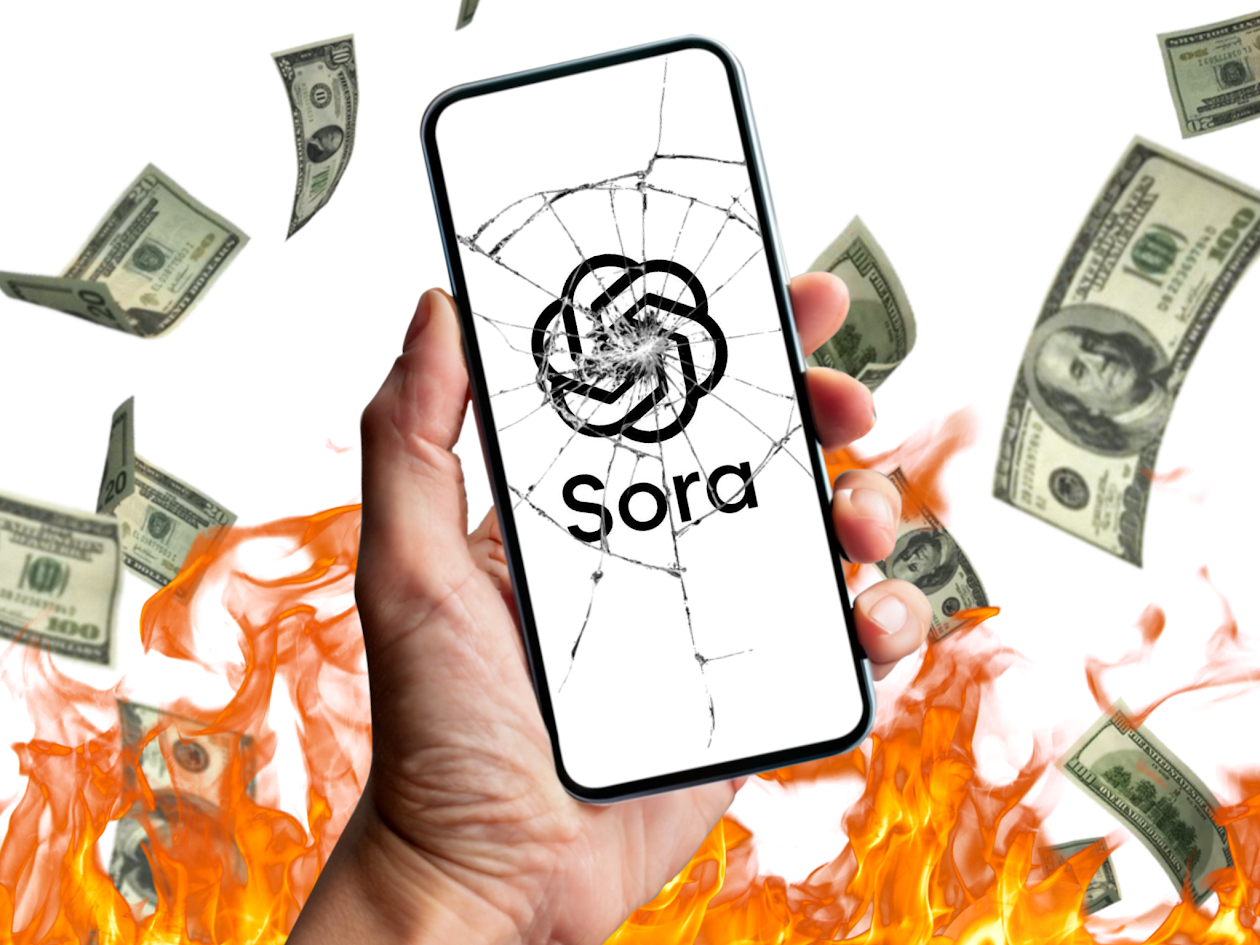
OpenAI revealed on the platform X on March 27, 2026, that its popular yet highly controversial AI video-making tool, Sora, is shutting down less than two years after its initial release. Just six months after the announcement of Sora 2, an updated version of the original Sora app, in September of last year. The news comes as a shock to some and as a relief for many, especially artists and environmentalists, who recount the destructive effects of generative AI such as excessive water usage, plagiarism, and an overall loss of creative integrity from both companies and individuals. According to BBC, OpenAI wanted to discontinue Sora so they could “focus on other developments,” prioritizing projects that will “help people solve real-world, physical tasks” and “agentic” technology that can operate without human oversight. Other AI platforms, such as ChatGPT, will not be affected by the closure, according to OpenAI.
The shutdown of Sora also comes at a loss for Disney, who planned to invest $1 billion into the text-to-video generator, permitting the usage of iconic Disney-owned characters in content generated by Sora, along with allowing AI-generated content to be streamed on Disney+. The closure of this deal, however, is not stopping Disney from utilizing alternative AI-generation platforms in the future.
According to a Disney rep, “As the nascent AI field advances rapidly, we respect OpenAI’s decision to exit the video generation business and to shift its priorities elsewhere. We appreciate the constructive collaboration between our teams and what we learned from it, and we will continue to engage with AI platforms to find new ways to meet fans where they are while responsibly embracing new technologies that respect IP and the rights of creators.”
With social media and technology evolving, and the sick people that are in this world, we all knew this was going to happen
Madison girard (12)
But what exactly caused the downfall of such a popular app?
Despite the millions of new users Sora gained after its launch, within just a couple of months, the numbers soon dropped to below 500,000 users. The initial novelty of AI-generated videos quickly waned for users, but especially for experts and advocacy groups who voiced ethical concerns about users being able to create AI videos of almost anything they could think of, including realistic deepfakes of public figures such as Michael Jackson, Martin Luther King Jr., and Mr. Rogers all doing outlandish things.
“Our biggest concern is the potential threat to democracy,” said Public Citizen tech policy advocate J.B. Branch in an interview. “We’re entering a world in which people can’t really trust what they see. And we’re starting to see strategies in politics where the first image, the first video that gets released, is what people remember.”
Madison Girard, a senior at Ponte Vedra High School (PVHS), expressed concern over the rise of nonconsensual AI generated deepfakes. “I think it’s a new genre of what should be considered cyber assault, and the offenders should be held to the same charges as the similar physical assaults. With social media and technology evolving, and the sick people that are in this world, we all knew this was going to happen, so I feel like there should be precautions set up as soon as possible to help stop these disgusting acts of cyber assault.”
While the discontinuing of Sora has prompted many CEOs to question the profitability and dependability of these AI tools, their employees are still left to worry about job displacement. Major enterprises in AI infrastructure and services, Meta, Oracle, and Qualcomm have already begun reducing their workforce in California by the hundreds as their focus shifts toward artificial intelligence investments and cost-cutting measures, with Oracle having terminated over 700 employees from its offices in Santa Monica, Redwood City, Pleasanton, and Santa Clara. Globally, around 300 million jobs are vulnerable to AI automation, with estimates suggesting it could automate 30% of jobs in just the U.S. by 2030, inciting unease in workers, especially in Gen Z and entry-level workers, who have currently been bearing the brunt of the losses.
However, there are some who aren’t convinced that this will last forever.
“Technology, generally speaking, does create more jobs than it destroys – but those are different jobs.” Marcus Mossberger, a chief market strategy officer told the New York Post, “So far… they haven’t been able to find even one job that was one hundred percent destroyed by AI.”
Graphic done by Philip Berkwit