By: Ema Rapaic
As of September 21st, the Food and Drug Administration (FDA) recalled Niwali Tejocote Capsules and Niwali Tejocote Pieces—dietary supplements that enhance digestion and support metabolic health—as the products contained a potent toxin called yellow oleander. Ingestion of yellow oleander can cause severe and even fatal health problems, impacting neurological, cardiovascular, and gastrointestinal systems. Additionally, most consumers purchase dietary supplements without understanding their contents or chemical functions.
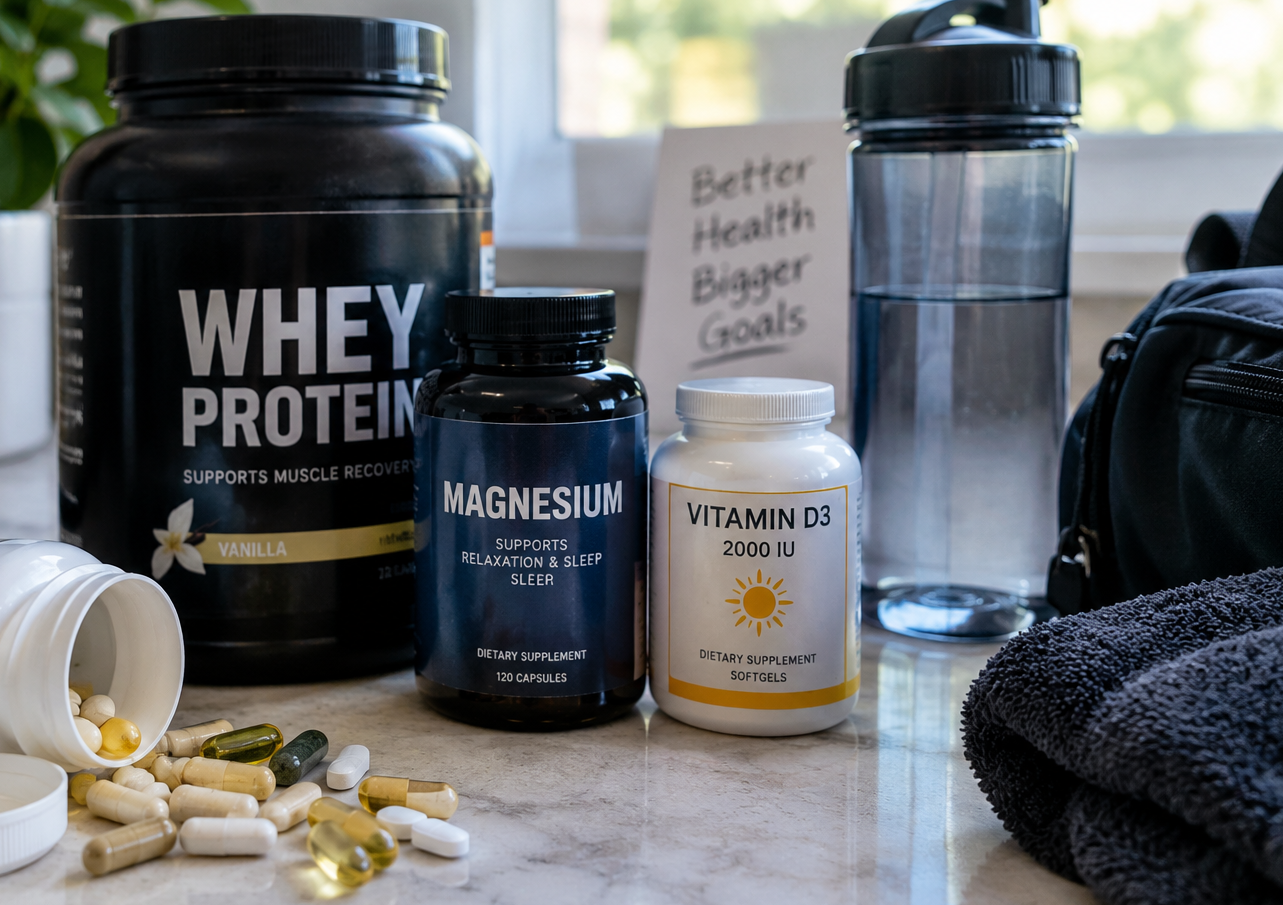
According to the U.S. Department of Health & Human Services, dietary supplements contain minerals, herbs, and amino acids to help individuals lacking adequate amounts of essential nutrients such as calcium, zinc, or Vitamin D maintain their health. However, Health & Human Services also acknowledges that supplements can’t fully compensate for a nutrient-deficient or unhealthy diet and that individuals must pair the ingestion of dietary supplements with the consumption of nutrient-dense food. Additionally, supplements can regulate the body’s metabolic pathway by behaving like electron donors or signaling molecules but aren’t as reliable as traditional pharmaceutical drugs. Unlike pharmaceutical drugs that must be clinically tested for years, dietary supplements don’t require pre-market or safety approval from the FDA before they are distributed and sold.
Under the Dietary Supplement Health and Education Act of 1994 (DSHEA), dietary supplements are categorized as a sub-set of food rather than drugs, establishing a post-market regulatory system for their distribution. In this regulatory system, manufacturers are trusted to ensure safety before marketing dietary supplements. In fact, harmful products can circulate the market for weeks, months, or years before enough data is gathered to prove their danger or inefficiency. Instead of formal lab testing, enforcement is dependent on post-market complaints from consumers and health professionals, ensuring that thousands of products enter the market before any recalls even ensue. Not to mention, an immense amount of time and resources are required to conclude the unsafety of supplements as claims regarding product performance and non-existent medical benefits can be implied by manufacturers as long as they don’t explicitly state that their supplements can cure a specific disease. For instance, a company can state that their supplement can assist individuals struggling with joint health, but they can’t claim that it cures osteoporosis. Furthermore, some manufactures may instill their supplements with banned substances, unlisted ingredients, or heavy metals to enhance product performance.
Evidently, there are unintended consequences for consumers under the DSHEA. Since dietary supplements can enter markets unregulated, consumers can be exposed to dangerous and potent substances, impacting public health as most consumers purchase supplements without comprehending their formulation or function. Ultimately, consumers should be cautious before believing the marketing of certain supplements and consult with health professionals before ingesting any as maintaining a nutrient-rich diet is more beneficial than compensating for a nutrient-deficient diet by consuming dietary supplements.